

Quality & Certifications
Quality Assurance & Quality Control (QA/QC)
Quality is a core value at DING JI POLYMER. Certified to the ISO 9001:2015 Quality Management System standard, we have established a comprehensive quality management framework covering every stage of production—from incoming raw material inspection and manufacturing to finished product testing and shipment control. By following standardized operating procedures throughout the entire process, we ensure every batch of TPE compounds delivers consistent quality and reliable processing performance.
During production, we implement rigorous quality monitoring and batch management tailored to the characteristics of each product. Complete production records and full traceability systems enable us to continuously improve product consistency and supply reliability, helping customers reduce manufacturing risks and enhance processing efficiency.
For specialized physical property testing, product performance validation, or customer-specific testing requirements, DING JI POLYMER works with internationally recognized third-party testing organizations, including SGS and the Plastics Industry Development Center (PIDC). Testing and validation are conducted in accordance with applicable industry standards, providing customers with reliable material performance data to meet the quality requirements of diverse industries and global markets.
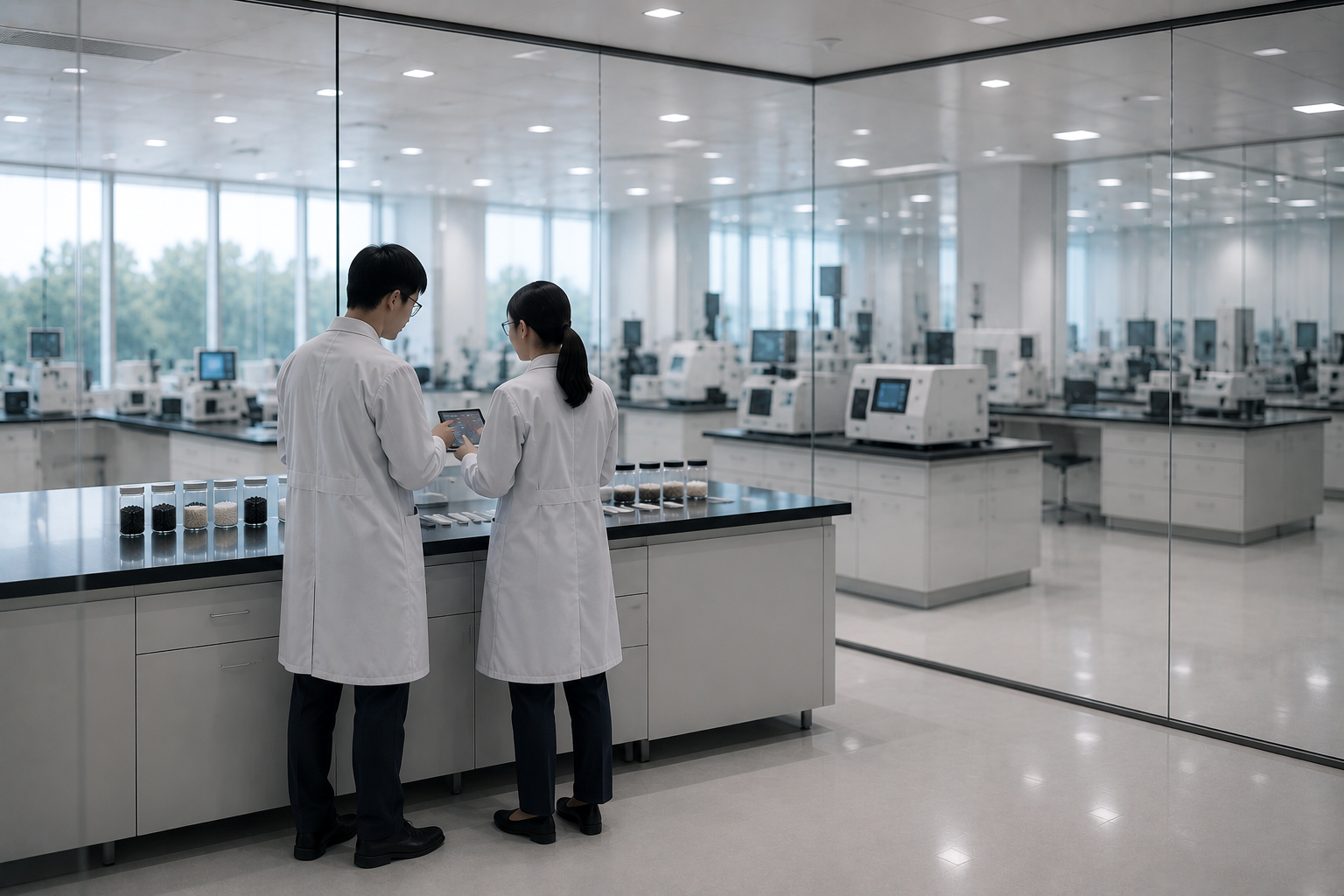
Through a comprehensive quality management system and collaboration with trusted third-party testing organizations, DING JI POLYMER consistently delivers stable product quality and provides customers with reliable TPE compound solutions.
Our Quality Management Advantage
- ISO 9001:2015 Quality Management System Certification
- Incoming Raw Material Inspection & Quality Verification
- Standardized Process Quality Management
- Batch Traceability & Production Record Management
- Finished Product Inspection & Pre-Shipment Quality Verification
- Third-Party Testing in Partnership with SGS
- Testing & Validation by the Plastics Industry Development Center (PIDC)
- Continuous Improvement of Quality Management Processes